Brinker Co.
Results worth sharing.
A client success campaign system to present business intelligence clearly and consistently.
Brinker Co had compelling client results but no consistent way to present them. Materials were fragmented, format-dependent, and hard to act on — insights that should have been driving decisions were getting lost in inconsistent presentations.
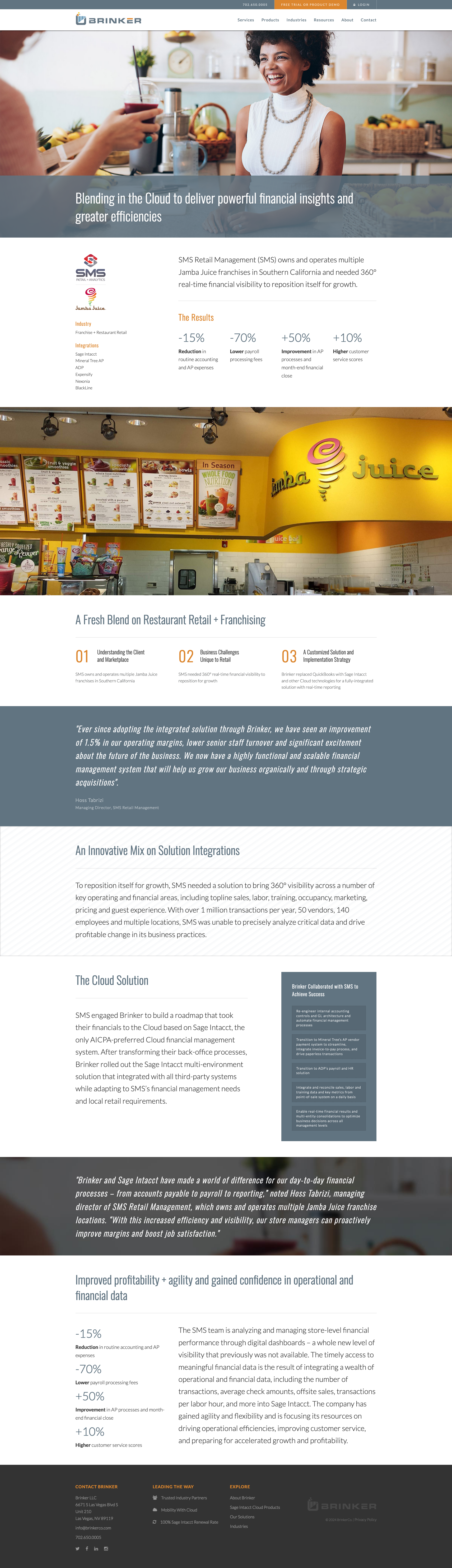
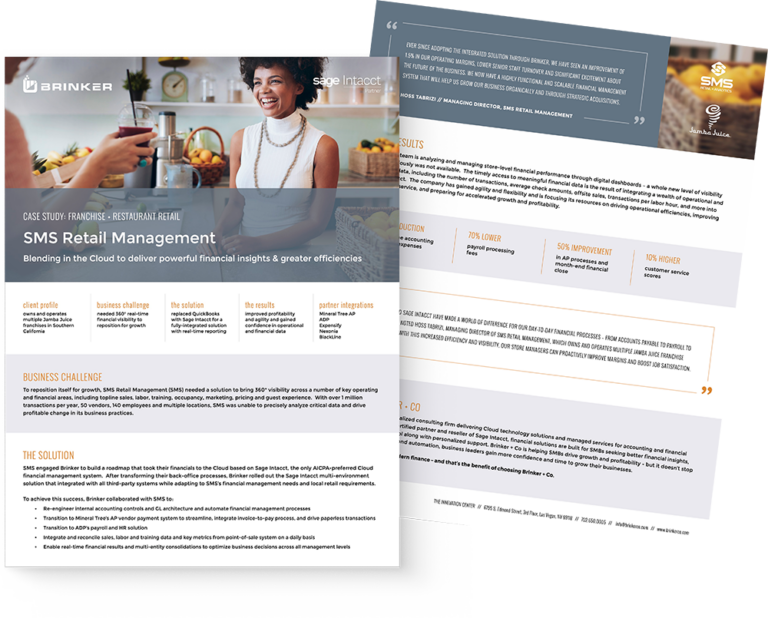
The work built a content system from the ground up: a structured framework for turning business results into clear, navigable stories, delivered across both a web landing experience and a downloadable print PDF — same structure, same story, two formats.
- End-to-end campaign system across web and print
- Standardized content framework for repeatable case study production
- Guided experience — context, solution, results in a clear sequence
- Data visualization approach making complex insights digestible
- Web and print outputs aligned to the same system
1 system
One content framework powering both web and print outputs
2 formats
Web landing experience + downloadable PDF — same structure, both usable
Scalable
Repeatable template structure — built to produce more case studies without starting from scratch
Clarity ↑
Fragmented materials replaced with a guided, structured narrative format
Good results,
no system to show them.
The problem wasn’t the results — it was how they were being presented. Every client story lived in a different format, told at a different depth, with no consistent framework for what to include or how to sequence it. Insights that should have been driving decisions were getting buried in inconsistency.
The brief was to fix that — not just design one page, but build the system that makes every future case study faster to produce and clearer to read.
Fragmented formats
Each client story presented differently — different structure, different depth, no repeatable framework.
Data without context
Business intelligence results were being presented without the context, solution narrative, or visual support needed to make them land.
Web and print misaligned
Digital and print materials told the same story differently — no shared structure, inconsistent depth, different visual language.
One framework, two formats
The content system defines what goes into every case study and in what order — regardless of whether it ends up on a web page or a printed PDF. The same four stages map to both outputs, creating consistency across formats without sacrificing the strengths of each medium.
Sequencing information for comprehension
The order information is presented matters as much as the information itself. The guided experience was designed to move a reader from zero context to clear understanding in five deliberate steps — each stage earning the next, and no step asking the reader to hold more than they need to.
Decisions that shaped the system
01
System first, execution second
Before designing a single screen, the content framework was defined — what stages every case study must include, what each stage contains, and how it maps to both formats. Execution without a system produces one good thing. A system produces many.
02
Web & print as outputs, not separate projects
Designing web and PDF as two expressions of the same system — rather than two separate briefs — meant the content only needed to be structured once. Both formats inherit the same logic, hierarchy, and narrative.
03
Sequence earns comprehension
Information architecture wasn’t just about organizing content — it was about sequencing it so each step creates the context needed to understand the next. Context before problem. Problem before solution. Solution before results.
04
Data needs design to land
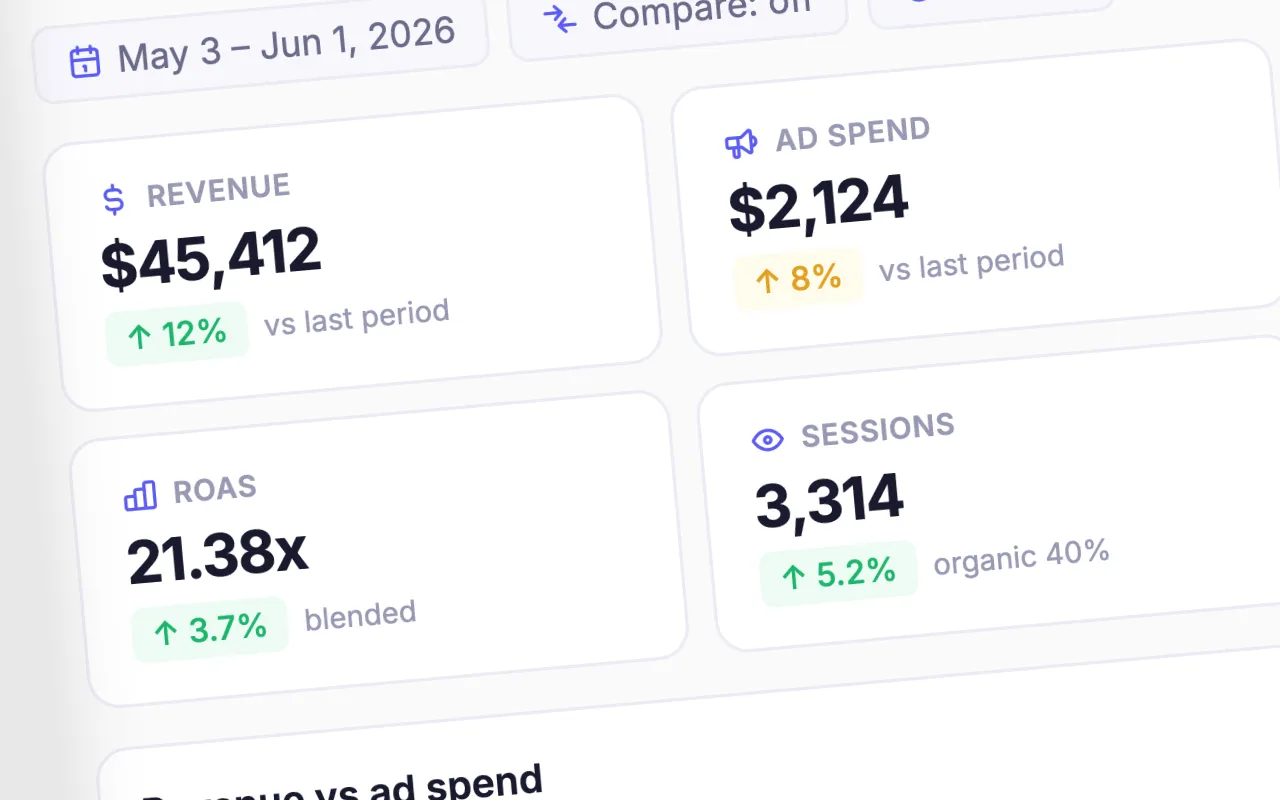
Business intelligence results don’t speak for themselves — they need visual hierarchy, context, and the right level of detail. The data visualization approach was designed to make the headline number land first, with supporting evidence beneath it.
What it delivered
A repeatable system
Every future case study starts from a template, not a blank page — same structure, same sequence, same quality standard without rebuilding from scratch.
Web and print aligned
Both formats tell the same story with the same structure — no inconsistency between what a client sees online and what they hold in their hand.
Clarity at every step
Fragmented materials replaced with a guided narrative — context, solution, results, action — that any stakeholder can follow without prior knowledge of the engagement.